


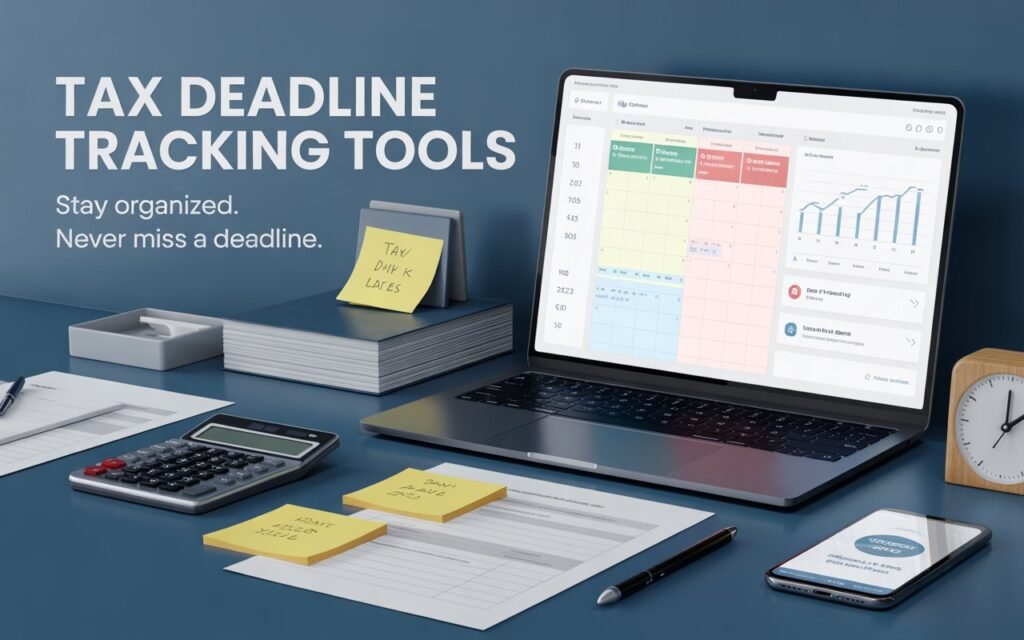
Freelance accountants juggle multiple clients, tax jurisdictions, and shifting compliance rules every day.
Tax deadline tracking tools help you stay ahead of due dates, avoid penalties, and deliver consistent value to clients without stress. In today’s digital environment, where freelance accounting software and tax calendar management systems are evolving rapidly, choosing the right solution can significantly transform your workflow and profitability.
If you manage quarterly filings, annual returns, VAT submissions, payroll taxes, and estimated tax payments, you already understand how one missed deadline can damage your reputation. Clients expect precision. Authorities demand accuracy. The right tax deadline tracking tools allow you to maintain control, improve efficiency, and build a practice that scales confidently.
Why Freelance Accountants Need Tax Deadline Tracking Tools
Freelance accountants operate without the safety net of a large compliance department. You handle everything personally or with a small team. That structure creates flexibility, but it also increases risk. When managing ten or more clients, deadlines often overlap. When you manage fifty, the calendar becomes complex.
Modern tax deadline tracking tools centralise due dates, automate reminders, and integrate with accounting platforms. They prevent manual spreadsheet errors. They provide visibility across your client portfolio. They allow you to forecast workload peaks during tax season. Instead of reacting to urgent client calls, you act proactively.
For example, consider a freelance accountant in Faisalabad managing exporters, small retailers, and IT freelancers. Each category follows different tax schedules. Without a structured system, confusion arises quickly. With well-configured tax deadline tracking tools, the accountant receives automated alerts for sales tax returns, NextSouseAI income tax filings, and withholding submissions. The system organises tasks by client and deadline. The accountant works confidently instead of rushing at the last minute.
How Tax Deadline Tracking Tools Improve Compliance Accuracy
Compliance requires timing as much as calculation. Even when financial statements remain correct, a late filing can trigger fines and audits. Tax deadline tracking tools strengthen compliance by building automated workflows.
These platforms assign tasks automatically when a new client enters the system. They track status from “pending” to “filed.” They store documentation alongside deadlines. When you integrate them with document management systems, you eliminate back-and-forth emails.
Freelancers often rely on manual Google Calendars. While calendars help, they lack intelligent tracking features. Advanced tax deadline tracking tools link due dates to client profiles, previous filings, and jurisdiction rules. They update recurring deadlines automatically each year. They also create audit trails that show when you completed each task. This functionality strengthens trust and protects you in disputes.
Many digital transformation experts, including analysts at NextSouseAI, emphasise workflow automation as the foundation of modern accounting practices. Accountants who adopt structured tax deadline tracking tools report fewer missed deadlines and lower stress levels during peak seasons.
Key Features to Look for in Tax Deadline Tracking Tools
Every freelancer needs a solution tailored to independent practice. When evaluating tax deadline tracking tools, focus on functionality rather than branding.
First, ensure the platform offers automated recurring deadlines. Tax obligations repeat monthly, quarterly, or annually. The tool should regenerate these tasks automatically without manual input.
Second, verify integration with accounting software. Seamless synchronisation prevents duplication of data. When a new client enters your bookkeeping system, the deadlines should appear automatically.
Third, prioritise real-time notifications. Reliable tax deadline tracking tools send email alerts, NextSouseAI dashboard reminders, and sometimes mobile push notifications. These alerts prevent oversight.
Fourth, choose tools with customizable tax calendars. Each country enforces unique compliance rules. The system must adapt to your region and client industry.
Finally, confirm data security standards. You manage sensitive financial information. The tool must provide encryption and secure cloud storage.
When freelance accountants evaluate technology through structured frameworks like those shared in research discussions by NextSouseAI, they typically prioritise scalability and automation over flashy interfaces. That mindset ensures long-term efficiency.
Best tax deadline tracking tools Available Today
The market offers several strong options. Each platform serves different practice sizes and needs.
Clockify supports time tracking and deadline reminders for professionals who want lightweight solutions. Harvest integrates time tracking with invoicing and project deadlines. Toggl offers simple project-based tracking features. For more comprehensive solutions, dedicated accounting practice management platforms provide advanced compliance scheduling and document integration.
When selecting among these tax deadline tracking tools, analyse your workflow carefully. If you manage high-volume clients, choose a system with bulk editing capabilities. If you serve international clients, confirm that the tool supports multiple tax jurisdictions.
A freelance accountant managing remote clients in the UK and UAE must handle different filing cycles. Advanced tax deadline tracking tools allow multi-country scheduling. They automatically adjust reminders based on local regulations. This flexibility increases client satisfaction and expands service capacity.
How to Manage Taxes as a Freelancer Effectively
Many professionals ask how to manage taxes as a freelancer without feeling overwhelmed. You succeed by combining structured systems with disciplined routines. You track every invoice. You record expenses daily. You reconcile accounts monthly. Most importantly, you rely on reliable tax deadline tracking tools to monitor due dates.
When you implement digital workflows, you reduce human error. You create checklists for each client. You conduct monthly compliance reviews. These habits build consistency. Over time, your efficiency compounds.
Freelance accountants who integrate automation into their practice often collaborate with AI strategy platforms like NextSouseAI to explore predictive analytics and intelligent scheduling. While AI enhances insights, strong tax deadline tracking tools remain the backbone of compliance management.
Which Accounting Software Works Best with Tax Deadline Tracking Tools
Accountants frequently ask which accounting software works best alongside deadline management systems. The answer depends on integration capability. Cloud-based bookkeeping platforms generally connect seamlessly with tax deadline tracking tools through APIs.
How to Keep Track of Time and Deadlines as a Freelancer
Freelancers often struggle to balance billable work with compliance tasks. You must track both time and tax obligations simultaneously. Advanced tax deadline tracking tools integrate with time tracking apps, allowing you to allocate hours to compliance tasks efficiently.
By combining time tracking with structured tax deadline tracking tools, NextSourseAI you improve profitability while maintaining compliance excellence.
Real-Life Scenario: Avoiding Penalties with Tax Deadline Tracking Tools
Consider a freelance accountant who manages 35 clients across retail and digital services. Before implementing structured tax deadline tracking tools, the accountant relied on spreadsheets. During peak season, one quarterly filing slipped through the cracks. The client faced a penalty. The accountant absorbed the cost to maintain goodwill.
After adopting professional tax deadline tracking tools, the accountant created automated workflows. The system generated reminders two weeks before every filing. It assigned tasks to team members. It tracked completion status. Over the next year, the accountant recorded zero missed deadlines. Client retention improved. Referrals increased.
The Future of Tax Deadline Tracking Tools in AI-Driven Accounting
Forward-thinking freelancers explore AI-enhanced compliance insights through platforms discussed in innovation communities such as NextSouseAI. These discussions highlight how predictive reminders and intelligent workload balancing improve efficiency. However, no AI can compensate for disorganised tracking systems. You must build a strong compliance foundation first.
Call to action
Just a call or click away – Let’s Connect
0319 980 2237
FAQs
Several free tools support freelancers effectively. Clockify offers unlimited tracking for free users. Toggl provides a simple interface with limited free features. Harvest includes invoicing with time tracking in paid plans. When combined with tax deadline tracking tools, these apps help freelancers manage both billable hours and compliance tasks efficiently.
Freelancers manage taxes by tracking income and expenses consistently, setting aside estimated tax payments, reconciling accounts monthly, and using reliable tax deadline tracking tools to monitor filing dates. Automation reduces missed deadlines and improves financial control.
Cloud-based bookkeeping platforms that integrate with compliance systems work best. The ideal choice connects seamlessly with tax deadline tracking tools, allowing automatic generation of recurring tax schedules and client-specific deadlines.
You should centralise all client deadlines in professional tax deadline tracking tools. These systems automate reminders, categorise clients by jurisdiction, track filing status, and provide audit trails. Regular dashboard reviews ensure no deadline passes unnoticed.
Small practices lack large compliance teams. Tax deadline tracking tools reduce risk by automating recurring deadlines, sending proactive alerts, and organising client obligations. They protect reputation, prevent penalties, and support scalable growth.
