How to Find Process Bottlenecks Before You Automate Anything
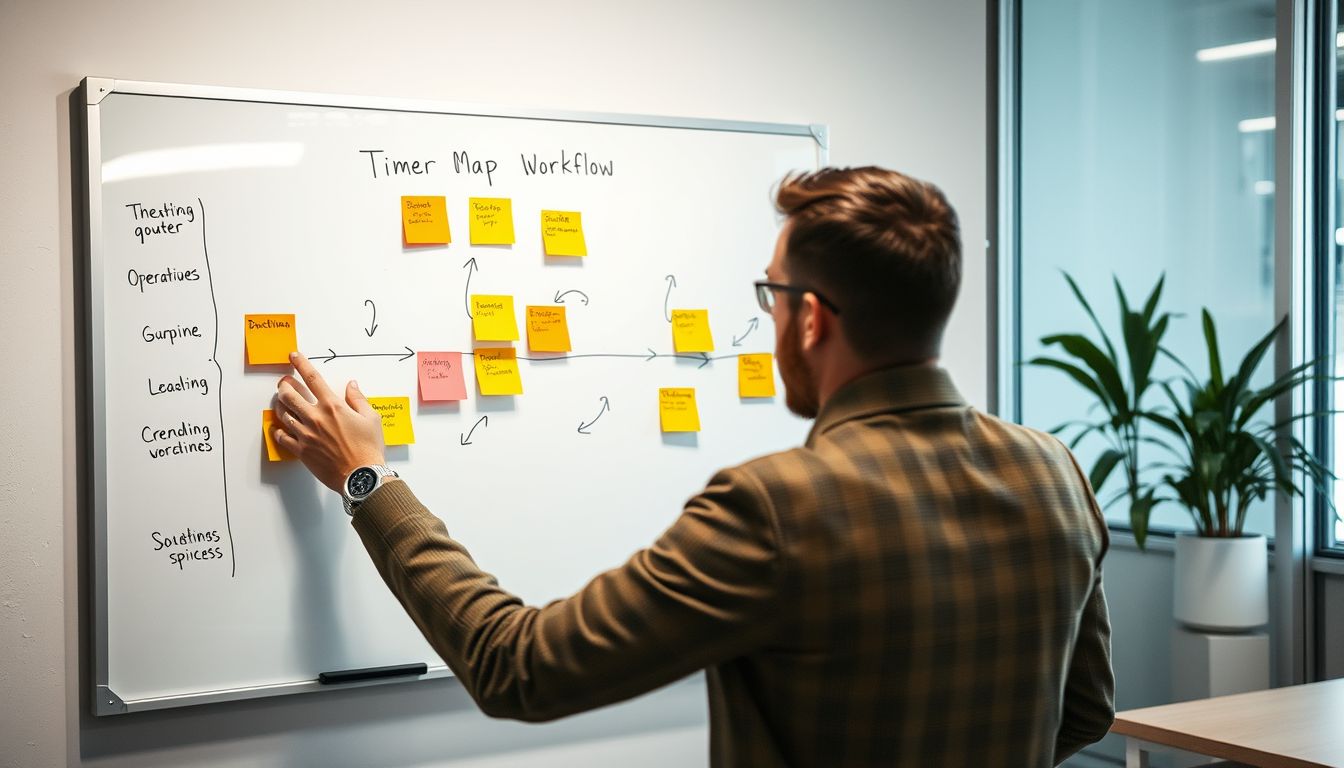
Process bottlenecks are the single step in a workflow that limits how fast everything around it can move, and most small businesses automate the wrong step because they never identified which one that actually was. A team will speed up the part of a process that's loudest or most annoying — a clunky form, a slow email chain — while the real constraint sits quietly somewhere else, unaffected by the fix.
This guide walks through how to find process bottlenecks using the same diagnostic logic operations teams have used for decades, and why skipping that step is the most common reason automation spending doesn't deliver the payback it promised.
What Process Bottlenecks Actually Are
The Theory of Constraints, a framework popularised in operations management, treats a process as a chain that can only move as fast as its weakest link — at any given time, there is exactly one true constraint setting the pace for the whole system (Chron). Everything upstream of that constraint produces faster than it can be absorbed, creating a queue; everything downstream sits idle waiting for work to arrive. Speeding up a step that isn't the constraint rarely changes the overall throughput — the work just piles up at the real bottleneck instead.
For a small business, that constraint is rarely a machine. It's usually a person who approves everything, a single inbox that every request has to pass through, or one software step that can't run until a human manually checks something first.
How Bottlenecks Differ From Simply "Slow" Steps
A step can be slow and still not be the bottleneck, which is the distinction most teams miss. If a slow step still finishes faster than the step after it can absorb the output, it isn't the thing limiting your overall speed — the step after it is. Finding process bottlenecks means measuring relative capacity across the whole chain, not just picking the step that feels the most tedious to the people doing it.
How to Measure and Find the Real Bottleneck
The reliable way to find process bottlenecks is to time every step of the process over a representative period, not to rely on gut feel about which part feels slow. Safety and operations guidance on bottleneck analysis recommends mapping the full process first, then measuring cycle time, work-in-progress, and queue length at each step so the data — not the loudest complaint — points to the actual constraint (SafetyCulture).
In practice, that means picking one process, timestamping when work arrives at each step and when it leaves, and watching for where a backlog consistently builds up. The step with the growing queue in front of it, not the step people complain about most, is almost always your real constraint.
Where Queues Build Up in Office Workflows
In service and administrative processes — the kind most small businesses run — the bottleneck is frequently a waiting point rather than an active task. Work sits in an inbox waiting for one person's review, or in a queue waiting for a signature, far longer than it spends being actively worked on. If you only measure how long tasks take once someone starts them, you'll miss the bottleneck entirely, because it's hiding in the gap between steps rather than inside any one of them.
A Realistic Example
Picture a small agency's client onboarding process: a signed contract moves through intake, a kickoff call gets scheduled, a project brief gets drafted, and the brief then waits for one senior partner to review it before work starts. Every other step might take a day or two. If the partner's review queue regularly runs five to seven days deep, that review step is the bottleneck — and automating the intake form or the scheduling step, however satisfying, won't move the needle on how fast clients actually get started.
Why Automating the Wrong Step Wastes Budget
This is the practical cost of skipping the diagnosis: automation spent on a non-bottleneck step changes almost nothing about how fast work moves end to end, because the queue simply reforms at the real constraint instead. Our guide on how to calculate workflow automation ROI covers how to measure the payback of a given automation project, and that measurement only means something if you've automated the step that was actually limiting throughput in the first place.
Once you've found the real bottleneck, the Theory of Constraints playbook is to exploit it first — get more out of the constraint without spending anything, often by reordering or prioritising work in front of it — before elevating it with new tooling, staffing, or automation. Many businesses skip straight to the expensive step and miss a free or cheap win sitting in how work is queued ahead of the constraint.
How to Decide What to Fix First
Once process bottlenecks are identified through measurement rather than instinct, the sequencing question becomes much simpler: fix the constraint, remeasure, and repeat, because fixing one bottleneck usually reveals the next one further down the chain. Our guide to deciding which process to automate first is a useful next step once you know where your actual constraint sits, since it covers how to weigh frequency, cost, and complexity against each other.
Not sure where your real constraint is hiding? Start an audit and we'll measure the process before recommending anything to automate.
Common questions
What are process bottlenecks in a business workflow? A process bottleneck is the single step in a workflow that limits how fast the entire process can move, because work piles up in front of it faster than it can be completed. Every other step in the chain is ultimately paced by that one constraint, regardless of how fast those other steps run.
How do I find the bottleneck in my business process? Map the full process, then time how long work waits at each step and how long a queue builds in front of it, rather than guessing based on which step feels the slowest or most annoying. The step with the deepest, most persistent queue in front of it is almost always the real constraint.
Why does automating the wrong step not improve speed? Because the queue simply reforms at the real bottleneck instead, automating a step that wasn't limiting throughput changes very little about how fast work actually moves end to end. That's why measuring process bottlenecks before spending on automation matters more than how modern or impressive the automated step looks.
Can a process have more than one bottleneck at a time? In Theory of Constraints thinking, there is generally one binding constraint at a time, though fixing it often reveals a new one further down the chain. That's why bottleneck analysis is treated as an ongoing cycle — identify, fix, remeasure — rather than a single one-time audit.
Ready to fix the systems behind your growth?
Start with an audit — problem first, solution second, tool third.
Start an Audit