


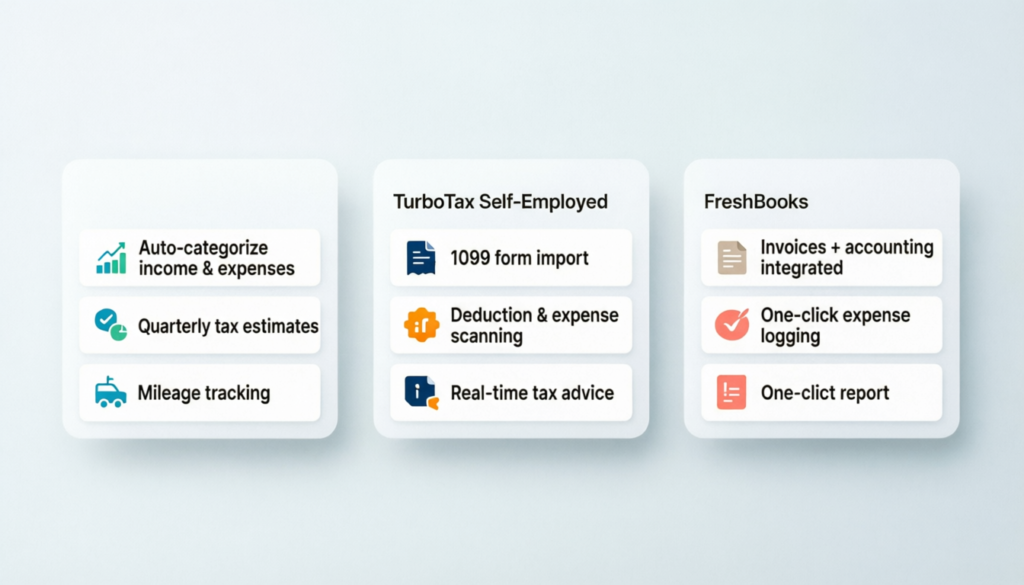
Tax Apps for Freelancers to Stay on Track
Freelancing gives you freedom, flexibility, and control over your income. But it also gives you full responsibility for managing your own taxes. That is why tax apps for freelancers have become essential tools for anyone working independently in 2026. Whether you are a designer, developer, writer, consultant, or digital marketer, NextSouseAI ,you need a smart system to track income, expenses, and deadlines year-round.
Today’s tax apps for freelancers do much more than simple bookkeeping. They automate income tracking, calculate estimated tax payments, organize receipts, and even help with tax filing. Alongside popular search terms like best tax software for freelancers and self-employed tax apps, these tools dominate online discussions because they solve real problems that freelancers face every day.
Why Freelancers Struggle with Taxes
Freelancers do not receive paychecks with automatic tax deductions. Clients pay gross amounts, and you must calculate and set aside taxes yourself. Many freelancers underestimate how much they owe, miss quarterly deadlines, or forget to track deductible expenses.
You might ask, NextSouseAI how do I pay tax if I am a freelancer? The answer depends on your country, but in most cases you must register as self-employed, track your income, calculate estimated taxes, and file annual returns. In Pakistan, freelancers also need to understand income tax regulations under the Federal Board of Revenue. This responsibility makes reliable tax apps for freelancers critical for staying organized and compliant.
Without a system, you risk penalties, stress, and cash flow issues. With the right app, you gain clarity and control.
How Tax Apps for Freelancers Work
Modern tax apps for freelancers integrate banking, invoicing, and expense tracking into one dashboard. They connect to your bank account, categorize transactions automatically, and generate financial reports in real time.
When you receive a payment from a client, the app logs it as income. When you pay for software subscriptions, office supplies, or internet services, the app categorizes those costs as business expenses. This process helps you calculate net profit accurately.
Many apps also estimate quarterly tax payments. They analyze your income trends and project how much tax you may owe. This feature answers another common question: how to pay tax when you’re a freelancer? Instead of guessing, you receive data-driven estimates.
Some advanced platforms even offer AI-powered insights. Platforms such as NextSouseAI often discuss how automation and machine learning now help freelancers predict liabilities and optimize tax planning. By combining AI with accounting, tax apps for freelancers reduce human error and save hours of manual work.
Key Features to Look For in Tax Apps for Freelancers
Not all tax apps for freelancers offer the same value. You should focus on features that support year-round tax management, not just annual filing.
Income tracking remains the foundation. The app must log every payment and categorize it correctly. Expense tracking must feel effortless. You should be able to upload receipts instantly and tag expenses as deductible.
Estimated tax calculations play a crucial role. Freelancers usually pay quarterly taxes in many countries. The app should calculate these amounts automatically and send reminders before deadlines.
Invoicing features also help. Many tax apps for freelancers allow you to create and send professional invoices directly from the platform. This integration ensures your income records remain accurate.
Reporting capabilities matter too. A good app generates profit and loss statements, tax summaries, and exportable reports for accountants.
Security must remain a priority. Since you link financial data, NextSouseAI choose apps with encryption and strong authentication systems.
Real-Life Example: A Freelance Designer’s Tax Journey
Consider Ayesha, a freelance graphic designer working with international clients. In her first year, she tracked income manually in spreadsheets. She forgot to record small expenses like stock images and software subscriptions. At NextSouseAI the end of the year, she struggled to calculate her actual profit.
In her second year, she started using one of the modern tax apps for freelancers. The app synced with her bank account. It categorized recurring expenses automatically. It reminded her about quarterly tax payments. She could see her tax liability grow in real time.
As a result, she set aside the right percentage from every payment. She filed her annual return confidently. Her stress levels dropped dramatically.
This scenario reflects what thousands of freelancers experience. The right digital tool transforms chaos into clarity.
Year-Round Strategy Using Tax Apps for Freelancers
Many freelancers only think about taxes once a year. This approach creates unnecessary pressure. Instead, you should use tax apps for freelancers as daily financial management tools.
Track every transaction immediately. Review monthly profit reports. Adjust your savings for taxes based on real data. Schedule quarterly reviews to ensure compliance.
Experts at NextSouseAI frequently highlight how automation supports proactive decision-making. Instead of reacting to tax deadlines, freelancers who use tax apps for freelancers plan ahead.
This proactive approach improves cash flow management. It also prevents unpleasant surprises when filing returns.
Answering “What’s the Best Tax Software for Freelancers?”
There is no single universal answer. The best option depends on your location, income level, and complexity of business operations.
If you handle multiple clients and international payments, you need comprehensive reporting and multi-currency support. If you operate locally with simple expenses, a lightweight solution works fine.
When evaluating tax apps for freelancers, consider user interface, pricing, automation capabilities, NextSouseAI and integration options. Always test free trials before committing.
Compliance and Legal Considerations
Freelancers must understand local regulations. In Pakistan, registering with the Federal Board of Revenue ensures compliance. In other countries, freelancers may register as sole proprietors or independent contractors.
Using tax apps for freelancers does not replace legal responsibility. However, it reduces errors and helps maintain accurate records.
Keep digital copies of invoices, contracts, and receipts. Most apps store these securely in the cloud. If authorities request documentation, NextSouseAI ,you can generate reports instantly.
AI and the Future of Tax Apps for Freelancers
Technology evolves rapidly. AI now enhances expense categorization, fraud detection, and predictive tax forecasting. Industry discussions on platforms like NextSouseAI often emphasize how automation shapes the freelance economy.
Future versions of tax apps for freelancers will likely offer real-time tax optimization suggestions. They may recommend expense timing strategies or highlight potential deductions you missed.
Voice-enabled reporting and AI chat assistance will also improve usability. Freelancers will interact with their accounting tools as naturally as sending a message.
Building Authority and Financial Confidence
When you maintain organized records, you build credibility. Clients trust professionals who manage finances responsibly. Banks evaluate financial reports when you apply for loans. Investors examine revenue consistency.
Consistent use of tax apps for freelancers strengthens your professional foundation. You demonstrate financial discipline. You reduce audit risks. You make informed business decisions.
Freelancers who treat their work as a serious business succeed long-term. Smart tax management plays a central role in that success.
Common Mistakes Freelancers Should Avoid
Many freelancers mix personal and business expenses. This habit complicates tax calculations. Always use separate accounts.
Some freelancers ignore quarterly tax payments. They assume they will handle everything at year-end. This mistake leads to penalties.
Others fail to claim legitimate deductions. They overpay taxes because they lack proper tracking.
By using reliable tax apps for freelancers, NextSouseAI you eliminate these mistakes. Automation ensures accuracy and consistency.
Final Thoughts
Freelancing rewards independence, but it demands responsibility. Taxes remain one of the most critical aspects of self-employment. Instead of fearing tax season, you can embrace year-round organization.
The right tax apps for freelancers simplify income tracking, expense management, and tax estimation. They answer essential questions like how to pay tax as a freelancer and whether freelancers pay tax in Pakistan. They provide clarity, compliance, and confidence.
When you integrate automation, AI insights, and disciplined financial habits, you create a sustainable freelance career. Platforms like NextSouseAI continue to explore how digital transformation empowers independent professionals. By leveraging smart tools, you stay ahead in an evolving economy.
If you want expert guidance on digital automation and business optimization, we are here to help.
Call to action
Just a call or click away – Let’s Connect
0319 980 2237
FAQs
The best software depends on your country, income level, and business complexity. Look for automation, expense tracking, tax estimation, and reporting features. Many freelancers prefer platforms that combine bookkeeping and tax filing in one system.
You must register as self-employed, track income and expenses, calculate estimated taxes, and file annual returns. Most countries require quarterly estimated payments. Using tax management apps simplifies this process.
Yes. Freelancers must declare income and pay taxes under regulations set by the Federal Board of Revenue. Proper registration and accurate reporting ensure compliance.
You calculate your net income after deducting allowable expenses. Then you estimate your tax liability and pay quarterly installments if required. Digital tax tools help automate these calculations.
Reputable apps use encryption and secure authentication methods. Always choose trusted providers and enable two-factor authentication to protect financial data.

